
FROM ALPHA LIPOIC ACID TO ASHWAGANDHA: A Guide to Cellular Defence
Free radicals don’t take a day off. Neither should your antioxidant support.
Every day, your body is fighting a quiet battle. Pollution, stress, exercise, even the simple act of breathing — they all generate unstable molecules called free radicals. Left unchecked, free radicals damage your cells, speed up aging, and are linked to a long list of chronic health concerns.
UNDERSTANDING OXIDATIVE STRESS
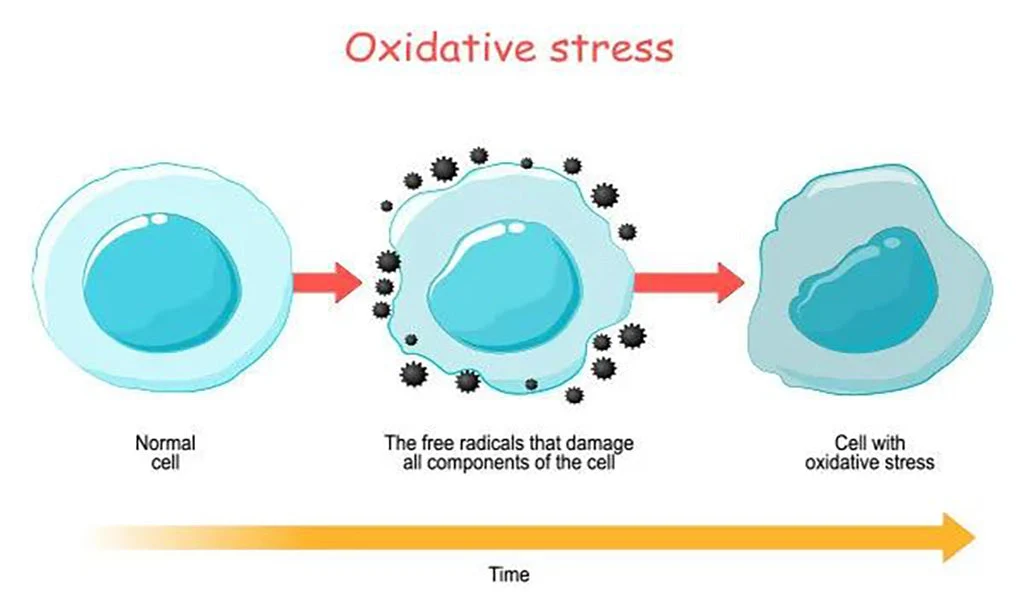
Oxidative stress happens when there’s an imbalance between free radicals — unstable, highly reactive molecules produced through normal metabolism, exercise, pollution, UV exposure, and everyday stress — and the body’s ability to neutralize them.
In small, controlled amounts, free radicals actually serve useful purposes, like helping the immune system fight off pathogens. The problem starts when their numbers outpace the body’s defenses, causing them to damage cell membranes, proteins, and even DNA over time. This is where antioxidant defense comes in: a network of compounds, both produced internally like Glutathione and obtained through diet or supplementation like Vitamin C, CoQ10, and Alpha Lipoic Acid, that work together to intercept free radicals before they cause harm. These antioxidants don’t operate independently — many regenerate one another in an ongoing cycle, forming a layered defense system rather than a single line of protection. Supporting this system consistently, rather than relying on the body to keep up alone, is central to how oxidative stress is managed over the long term.

1. Alpha Lipoic Acid (ALA): The Antioxidant’s Antioxidant
ALA is unique considering it’s both fat- and water-soluble, meaning it can reach and protect a wider range of cells than most antioxidants, which typically work in only one environment. Even more notably, ALA can recycle other antioxidants — like Vitamin C, Vitamin E, and Glutathione — back into their active form after they’ve been used up, effectively extending their working life in your system. It also plays a natural role in how your cells convert nutrients into energy.
Key mechanism-based benefits:
- Supports antioxidant defence
- Helps combat oxidative stress
- Supports mitochondrial energy metabolism
- Helps maintain the body’s glutathione and antioxidant network
ALA → antioxidant recycling + mitochondrial metabolism
2. Coenzyme Q10 (CoQ10): The Energy-Antioxidant

CoQ10 is found naturally in nearly every cell, concentrated in the mitochondria — your cells’ energy-producing engines. Beyond its antioxidant role, it’s directly involved in generating the energy your cells run on, which is why it’s closely associated with heart and muscle tissue, both high energy-demand areas. CoQ10 levels naturally decline with age, and certain common medications are known to lower them further.
CoQ10 works at the heart of cellular energy production—supporting mitochondria while providing antioxidant protection against oxidative stress.
Key mechanism-based benefits:
- Supports cellular energy production
- Helps maintain mitochondrial function
- Provides antioxidant protection
- Helps protect cells against oxidative stress
- Supports heart and cardiovascular function
- Supports muscle energy metabolism
CoQ10 → mitochondrial energy + antioxidant protection
3. Glutathione: The Master Antioxidant

Glutathione is one of the body’s major endogenous antioxidants. Unlike many antioxidant supplements, glutathione is actually produced naturally inside cells.
Produced naturally in your liver, Glutathione is often called the body’s “master antioxidant” because nearly every cell relies on it, and it plays a central role in your body’s natural detoxification processes. Levels tend to decline with age, poor diet, and chronic stress. It’s also one of the antioxidants that compounds like ALA and Vitamin C help regenerate — showing how these nutrients work as a system rather than in isolation.
Key mechanism-based benefits:
- Supports cellular antioxidant defence
- Helps combat oxidative stress
- Supports glutathione-dependent detoxification pathways
- Helps maintain cellular redox balance
- Supports the body’s natural antioxidant network
- Helps regulate melanin production
Glutathione → cellular antioxidant defence + redox balance
4. Curcumin: The Anti-Inflammatory Antioxidant
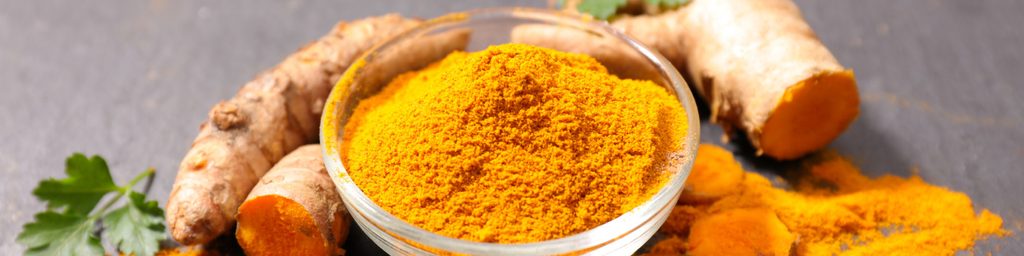
Curcumin is the major bioactive compound found in turmeric (Curcuma longa). Its most useful scientific story is inflammatory signalling + antioxidant pathways.
Curcumin is the primary active compound in turmeric, valued for combining antioxidant activity with well-documented anti-inflammatory properties. The catch: curcumin on its own is notoriously hard for the body to absorb. That’s why quality matters — formulations that support better bioavailability like Curcumin + piperine, Curcumin + turmeric oils etc. make a real difference in how much your body can actually use.
Key mechanism-based benefits:
- Supports a healthy inflammatory response
- Helps combat oxidative stress
- Supports antioxidant defence
- Promotes joint comfort and mobility
- Supports muscle and post-exercise recovery
- Helps maintain overall cellular health
Curcumin → NF-κB / inflammatory pathways + Nrf2 antioxidant pathway → ↓ oxidative stress & balanced inflammatory response → joint/cellular support
5. Vitamin C: The Classic, and Still One of Best

Vitamin C works as both a powerful antioxidant and an essential enzymatic cofactor, supporting collagen formation, immune function, iron absorption and cellular protection
Vitamin C is a well-researched, water-soluble antioxidant and essential nutrient that the human body cannot synthesize. It supports the body’s antioxidant defenses while playing a critical role in collagen formation, helping maintain skin, connective tissue, cartilage and blood vessels. Vitamin C also contributes to normal immune function and enhances the absorption of non-heme iron from plant-based foods
Key mechanism-based benefits:
- Supports antioxidant protection
- Supports collagen formation
- Helps maintain healthy skin & connective tissue
- Supports normal immune function
- Enhances non-heme iron absorption
- Supports normal energy metabolism
Vitamin C → antioxidant defence + collagen synthesis + immune support
6. Ashwagandha: The Adaptogen with Antioxidant Power
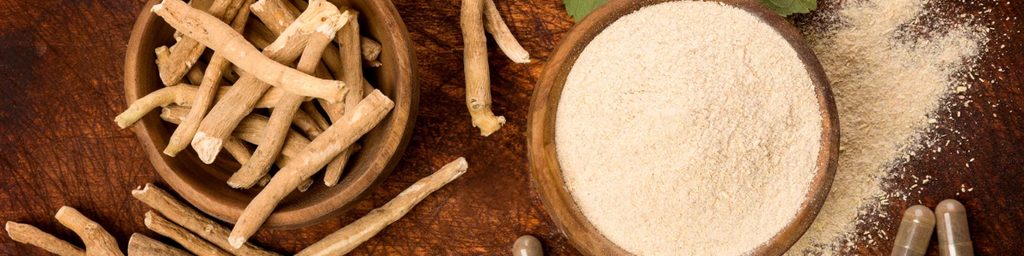
Its major bioactive compounds are withanolides, a group of naturally occurring steroidal lactones.
Human studies have investigated Ashwagandha for strength, muscle performance and recovery, potentially through a combination of stress regulation, exercise adaptation and other physiological effects.
Key mechanism-based benefits:
- Supports stress management
- Helps maintain healthy cortisol balance
- Supports calmness and relaxation
- Promotes sleep quality
- Supports physical performance and recovery
- Provides antioxidant support
Ashwagandha → HPA-axis & stress-response modulation + GABAergic activity → stress, relaxation & recovery support
Ashwagandha (Withania somnifera) is a medicinal plant traditionally used in Ayurveda. It is classified as an adaptogenic herb, meaning it is studied for its potential to help the body adapt to physiological and psychological stress.
The Takeaway: Look Beyond the Ingredient
Supplements are more than a list of ingredients on a label. What matters is how an ingredient works, how well the body can absorb it, and how the formulation supports its intended function.
From antioxidants such as Vitamin C and Glutathione to mitochondrial nutrients like CoQ10, plant compounds such as Curcumin, and adaptogens such as Ashwagandha, each ingredient has a distinct mechanism of action—and understanding that mechanism helps you make more informed choices.
The real question isn’t simply “What does this supplement contain?”
It’s “Why is it there, how does it work, and is the formulation designed to deliver it effectively?”
At VitaminHaat, we believe better supplementation starts with better understanding. Know the ingredient. Understand the mechanism. Look beyond the label.